
How do I know if the compressor is really bad?
Electrical testing, amperage readings during a start attempt, and pressure behavior together indicate a compressor fault. Start components are ruled out first because they cause similar symptoms.
Lakeland, Florida
The most significant component in the system, and the one that deserves careful evaluation.
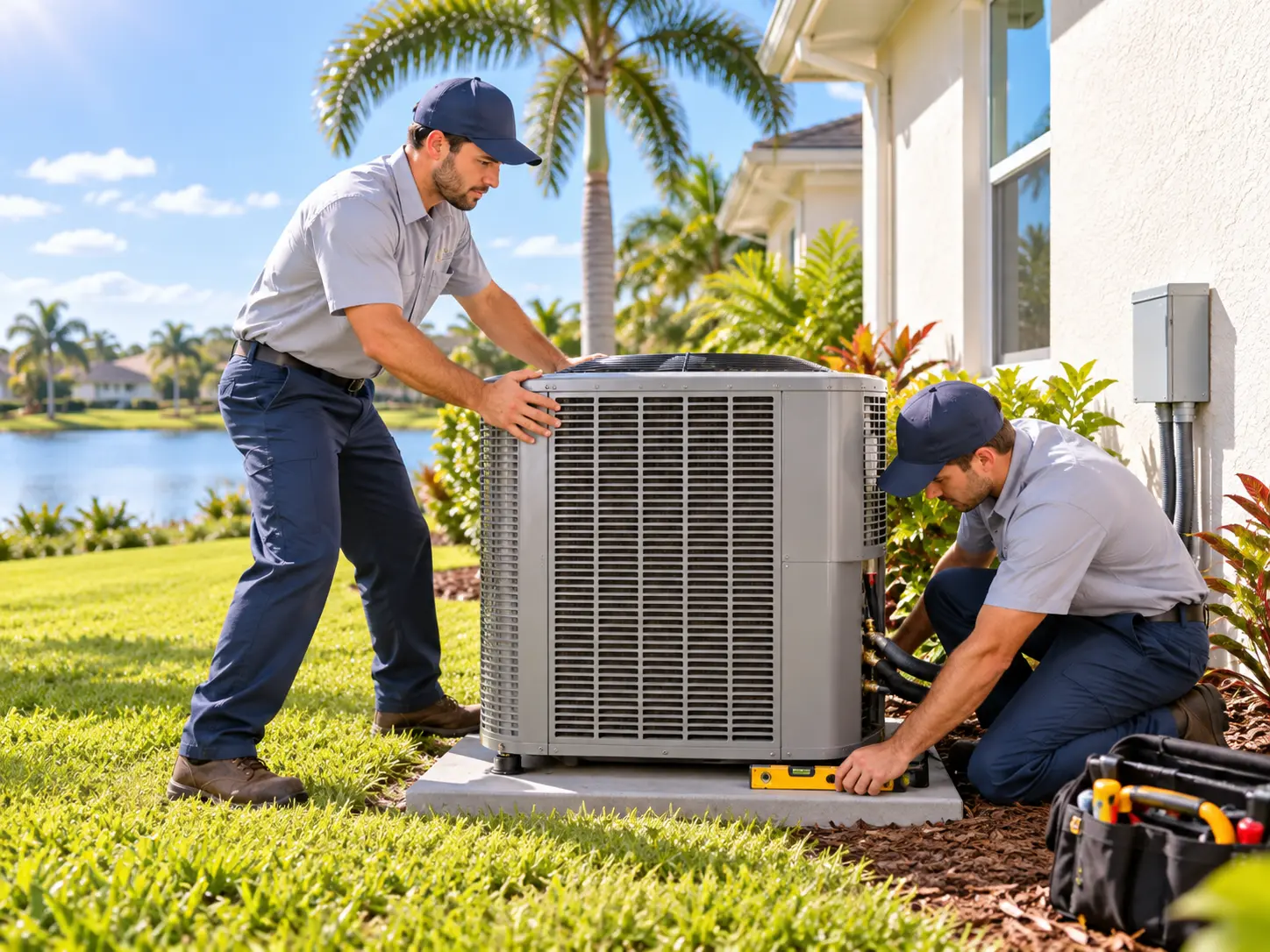
The compressor moves refrigerant through the system. When it struggles, everything downstream looks wrong: pressures are off, cooling is weak, and electrical draw climbs.
Compressor problems are also where honest evaluation matters most. On an aging system, the cost of the repair, the refrigerant it uses, and the condition of the rest of the equipment all belong in the conversation.
Possible causes may include the following. Confirming which one applies takes measurement, not guessing.
Shorted or open windings prevent normal operation.
Worn valves or bearings reduce pumping capability.
Chronic low airflow or overcharge can damage internal components over time.
Restricted condenser airflow and long run cycles raise internal temperatures.
A weak capacitor or failed start assist can imitate a bad compressor.
When the compressor itself is sound, replacing start components restores operation.
Possible on newer equipment or where warranty coverage applies.
On older systems the compressor cost often approaches a meaningful share of new equipment.
Do not open electrical compartments or attempt refrigerant work. Those carry real injury risk.
Electrical testing, amperage readings during a start attempt, and pressure behavior together indicate a compressor fault. Start components are ruled out first because they cause similar symptoms.
It depends on age, warranty coverage, refrigerant type, and the condition of the rest of the system. The repair versus replacement tool walks through those factors.
Describe what your system is doing and get a repair estimate for your Lakeland home.